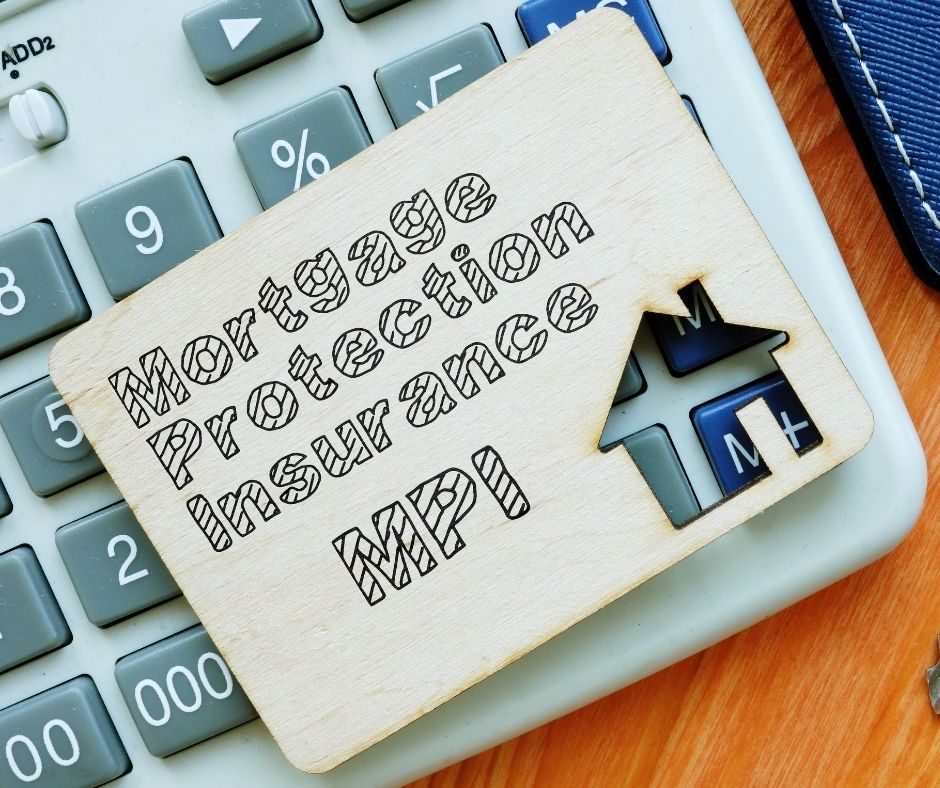
The majority of Mortgage life insurance plans have riders for disability insurance as well as Return of Premium. The disability insurance rider is designed to help pay the mortgage payment if you become disabled because of injuries or illnesses. The disability riders in these plans are typically not highly robust. The concept of disability states that one needs to be severely disabled to be eligible for benefits.
how do you know if you have mortgage protection insuranceDo you think this is a bright idea or an omen?
Most mortgage life insurance policies offer riders that include disability insurance and Return of Premium. The disability insurance rider is designed to pay the mortgage payment if you become disabled due to injury or illness. The disability riders on these plans are usually not very strong. In other words, the definition of disability is that you must be catastrophically disabled to qualify for benefits.
Mortgage Life Insurance is an elegantly packaged method to provide life insurance. Some might say it's an unoriginal strategy, and in many cases, they're correct. But, as we've said previously, many agents employ this marketing method to reach homeowners new to the area. They realize the potential requirement for additional life insurance coverage.
Mortgage Life Insurance isn't an ideal choice for the majority of people. The cost of premiums is typically more expensive than regular term insurance. A good, long-term, low-cost policy (20 or 30 years term) will offer enough security.

You will receive numerous letters when you buy a house or refinance your mortgage. These offers for mortgage protection insurance appear official. They state the name of your lender and the amount of your mortgage. Life insurance companies and agencies obtain this free, public information and send out postcards or letters. When you see your mortgage company's name on the note, it can seem official. Some people think they are required to take action.
The good thing is that those junk mailers you receive are also right on the cost. It's typically relatively inexpensive to purchase $250k in term insurance (assuming you're in good health).
Mortgage Protection Life Insurance (PLI) is a legal type of insurance that will assist your family members in staying at home if you suddenly die. Your family's funds could use to help pay your mortgage. However, scammers may use this concern to extort your money or even more.
Mortgage Life Insurance is just a cleverly packaged way to offer life insurance. Some would say it is a gimmicky approach, and in many cases, they are right. However, as stated earlier, many agents use this marketing strategy to target new homeowners. They recognize the potential need for additional life insurance protection.
In addition to making you aware of your need for life insurance, Mortgage Life policies can be a GOOD deal for some people. Please, read on to find out if you are one of those people for whom this product makes sense.
Mortgage Protection Life Insurance is a legitimate type of insurance that can help your family stay in their home if you unexpectedly pass away. Your family's money can be used to pay off the mortgage. Unfortunately, some scammers will use this fear as a basis to get your money – or worse.
Private mortgage insurance will lower the risk to the lender of making a loan to you; it lets you qualify for a loan that you otherwise not be able to get. Typically, borrowers making down payments of less than 20 percent of the home's purchase price will need to pay for private mortgage insurance.
The horrible company that sends deceptive marketing letters to those with new mortgages, offering mortgage protection life insurance. They make the letter appear very official, making it even harder for consumers to understand this is deceptive spam. Avoid this company.
Mortgage protection insurance protects borrowers if they can no longer make their home loan repayments. Unlike insurance policies which are usually optional, LMI is often made mandatory by most lenders if the borrower can't pay a deposit of at least 20% of the property's value.